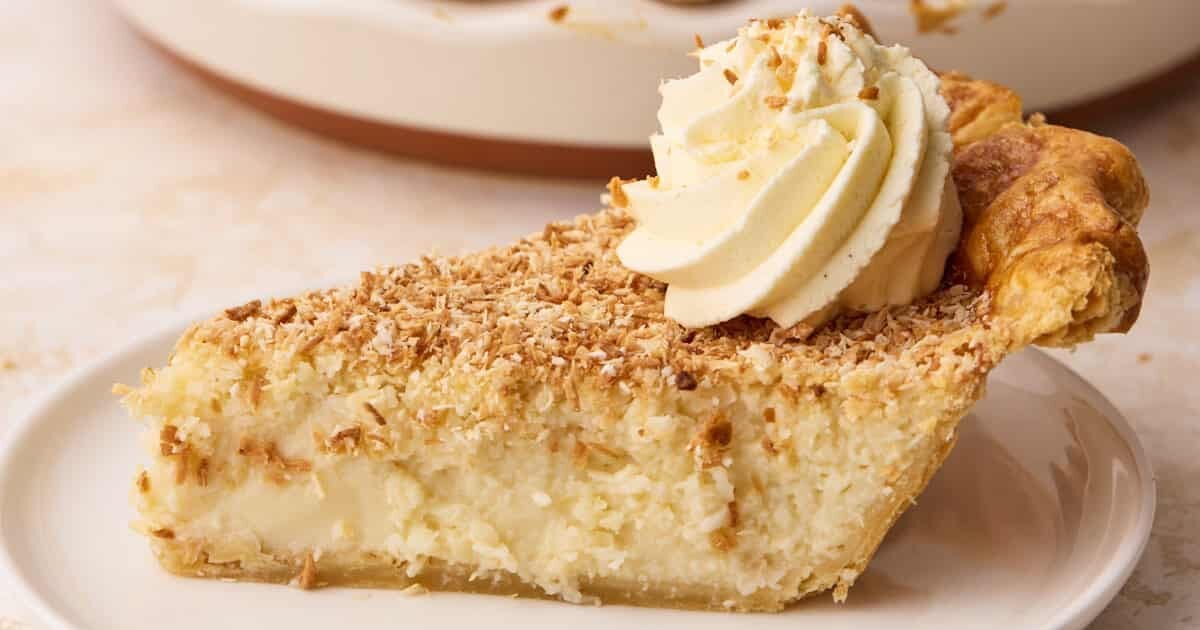
There are certain desserts that simply transcend time, evoking warmth, comfort, and cherished memories with every bite. Among these culinary treasures, the coconut custard pie stands as a true classic. More than just a simple sweet treat, it's a testament to the power of uncomplicated ingredients coming together to create something truly extraordinary. Imagine a silky, smooth custard, infused with the rich, unmistakable flavor of coconut, all nestled within a tender, flaky crust. It’s the kind of pie that becomes an instant family favorite, requested at every gathering, and remembered long after the last slice is gone.
For many home bakers, perfecting a coconut custard pie isn't just about following a recipe; it's about capturing that nostalgic, old-fashioned essence. It's a dish that speaks to generations, easily made yet consistently delivering a high-impact flavor profile that delights even the most discerning palates. Whether you're a seasoned pie maker or just beginning your baking journey, this guide will help you craft a coconut custard pie that's not only delicious but also memorable.
The Timeless Allure of Coconut Custard Pie
What is it about the coconut custard pie that gives it such enduring appeal? Perhaps it’s the delightful contrast of textures – the crisp, buttery crust against the creamy, almost pudding-like filling. Or maybe it’s the tropical whisper of coconut, transportive and comforting all at once. This pie has graced countless family tables for decades, often becoming a signature dish passed down through generations. Its consistent popularity stems from its inherent simplicity and its ability to deliver profound satisfaction.
The beauty of a classic coconut custard pie lies in its humble origins and straightforward preparation. Unlike some more intricate desserts, this pie doesn't demand exotic ingredients or complex techniques. It relies on fundamental baking principles to transform everyday components into a masterpiece. This accessibility is precisely why it often becomes a go-to for busy hosts and a guaranteed crowd-pleaser, proving that sometimes, the simplest pleasures are indeed the best.
Unlocking Triple Coconut Bliss: The Flavor Secret
The secret to an truly outstanding coconut custard pie isn't just adding coconut; it's about amplifying its essence through a layered approach. Many of the most beloved recipes achieve an unparalleled depth of flavor by incorporating triple coconut goodness. This strategic combination ensures that every forkful is bursting with authentic, rich coconut notes without being overwhelmingly sweet. Here's how this triple threat works:
- Cream of Coconut: This thick, sweetened coconut product forms the creamy base of the custard, contributing a luxurious mouthfeel and an intense, naturally sweet coconut flavor. It's richer than coconut milk or cream, making it ideal for a decadent custard.
- Coconut Extract: A concentrated burst of pure coconut essence, the extract elevates the overall flavor profile, ensuring that the coconut taste is prominent and vibrant. It acts as a natural enhancer, reinforcing the cream of coconut without adding extra liquid.
- Shredded Coconut: Both for texture and visual appeal, shredded coconut is usually folded into the custard. It provides delightful little chewy bites and a natural, slightly rustic charm. Toasted shredded coconut can also be used as a garnish or folded in for an added layer of nutty flavor and crunch.
By carefully balancing these three elements, the resulting pie is deeply aromatic and wonderfully textured, delivering a robust coconut experience that is both authentic and incredibly satisfying. The goal is to achieve a perfect harmony where the sweetness complements the coconut rather than overshadowing it, creating a truly balanced and addictive dessert.
The Magic of Custard: Achieving Silky Smoothness
The heart of any coconut custard pie is its custard filling. Achieving that coveted silky-smooth texture is key to a truly successful pie. Custard, at its core, is a delicate balance of eggs, dairy, and sweetener, gently cooked until thickened. Here are some insights to ensure your custard is nothing short of perfect:
- Tempering the Eggs: To prevent your eggs from scrambling, it's crucial to "temper" them. Slowly whisk a small amount of the warm dairy mixture into the beaten eggs before adding the egg mixture back into the main pot. This gradually raises the temperature of the eggs, ensuring a smooth, cohesive custard.
- Gentle Heat: Custards should always be cooked over medium-low heat, stirring constantly. High heat can cause the eggs to curdle, resulting in a lumpy texture. Patience is a virtue here!
- Don't Overcook: Custard continues to set as it cools. Remove it from the heat when it's just thickened enough to coat the back of a spoon. It will still seem a bit loose, but it will firm up beautifully in the oven and during cooling. Overcooking leads to a rubbery or cracked custard.
- Straining (Optional but Recommended): For an extra-smooth, professional-grade custard, consider pressing the finished mixture through a fine-mesh sieve before pouring it into the pie crust. This removes any tiny bits of cooked egg or undissolved ingredients.
Mastering these techniques will ensure your custard filling is consistently luxurious and free from any unwanted texture imperfections, making your coconut custard pie truly stand out.
Crafting the Perfect Foundation: Crust Choices
A magnificent coconut custard pie deserves an equally magnificent crust. The choice of crust can significantly impact the overall experience, from its texture to its flavor. While a homemade crust offers unparalleled flakiness and buttery depth, there's absolutely no shame in opting for a high-quality store-bought alternative, especially when time is of the essence.
Elevating Your Homemade Crust
If you have the time and inclination, a homemade pie crust is a game-changer for your coconut custard pie. A truly flaky, buttery crust provides the perfect counterpoint to the rich, creamy filling. Here are some tips for achieving pie crust perfection:
- Keep Ingredients Cold: Cold butter (or shortening) and ice water are essential for a flaky crust. The cold fat creates steam pockets during baking, resulting in those desirable layers.
- Don't Overwork the Dough: Mix just enough until the dough comes together. Overworking develops gluten, which leads to a tough crust.
- Blind Baking: For custard pies, blind baking (pre-baking) the crust is crucial. This prevents a soggy bottom and ensures the crust is fully cooked and crisp. Prick the bottom with a fork, line with parchment paper, fill with pie weights or dried beans, and bake until lightly golden.
Smart Shortcuts: Embracing Store-Bought Crusts
Life is busy, and sometimes, a shortcut is a smart choice that doesn't compromise on deliciousness. High-quality store-bought pie crusts have come a long way and can be an excellent foundation for your coconut custard pie. No judgment here – ever! If choosing this route, look for all-butter or traditional pastry crusts for the best flavor and texture. Many experienced bakers keep frozen pie crusts on hand for those moments when a quick, homemade dessert is desired without the full commitment. Remember, the goal is a delightful pie, regardless of how the crust came to be.
Expert Tips for Your Best Coconut Custard Pie Ever
Beyond the fundamental steps, a few expert insights can elevate your coconut custard pie from great to absolutely unforgettable. These practical tips draw on years of baking experience, ensuring a perfect result every time.
- Room Temperature Ingredients: Ensure your eggs and dairy (if not tempering) are at room temperature. This helps them combine more smoothly and cook evenly, contributing to a consistently creamy custard.
- Don't Overbake: This is perhaps the most critical tip for any custard pie. The pie is done when the edges are set, but the center still has a slight wobble like gelatin. It will continue to cook and set as it cools. Overbaking leads to cracks and a rubbery texture.
- Cool Completely: Resist the urge to slice into your pie too soon! Custard pies need ample time to cool and fully set, typically several hours at room temperature, and then ideally chilled for a few more. This ensures clean slices and a perfectly firm texture.
- Chill for Optimal Flavor: While delicious warm, a well-chilled coconut custard pie often has a more pronounced flavor and firmer texture. Chilling also makes it easier to slice neatly.
- Storage: Store leftover pie, covered, in the refrigerator for up to 3-4 days.
- Toasted Coconut Garnish: For an extra flourish and depth of flavor, sprinkle toasted shredded coconut over the top of the pie just before serving. The warmth and crunch are an exquisite contrast.
Mastering these nuances will not only enhance the taste and texture of your pie but will also streamline your baking process, making the creation of this beloved dessert a truly enjoyable experience. For more insights on perfecting classic pie recipes, you might find valuable tips and tricks in coconut custard pie - Article 3.
Why This Pie Becomes a Family Legacy
Some recipes are more than just a list of ingredients; they are woven into the fabric of family traditions, creating memories that last a lifetime. The coconut custard pie, with its comforting flavor and simple elegance, is precisely this kind of dessert. It’s a pie that gets requested year after year, a testament to its enduring appeal and the special place it holds in the hearts of those who enjoy it. The joy isn't just in eating it, but in the act of making and sharing it, transforming a simple dessert into a cherished ritual. For those looking to explore even more variations of this timeless classic, consider delving into the discussions and recipes presented in coconut custard pie - Article 2.
The beauty of such a pie is its ability to adapt to any occasion – from a casual weeknight treat to a centerpiece at a holiday feast. Its ease of preparation, coupled with its consistent deliciousness, makes it an undeniable favorite. This is a pie you'll be proud to call your own, a recipe you'll likely be making for decades to come, just like those who have perfected it over countless gatherings. It's truly a legacy in the making.
The allure of a homemade coconut custard pie is undeniable. With its velvety custard, rich triple coconut flavor, and flaky crust, it delivers a slice of pure comfort and nostalgia with every bite. Whether you follow a cherished family recipe or discover a new favorite, the process of baking and sharing this classic dessert is a deeply rewarding experience. So, gather your ingredients, embrace the joy of baking, and prepare to create a coconut custard pie that will be loved and requested for years to come. Your family and friends will thank you!
